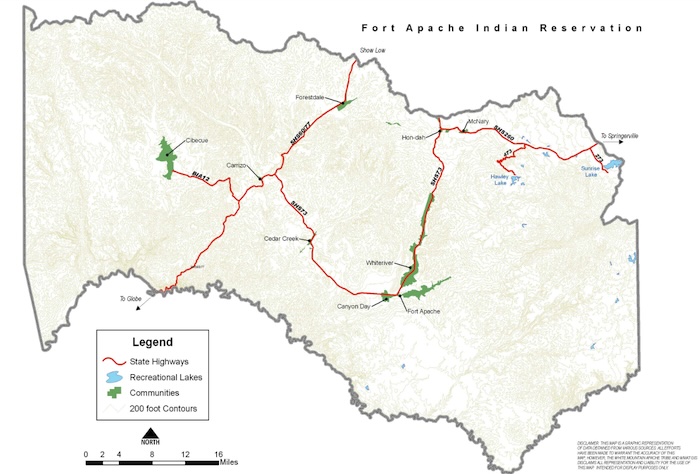

Located in eastern Arizona and accessible for travelers exploring historic U.S. Route 66, Fort Apache Historic Park sits within the homelands of the White Mountain Apache Tribe. Set amid forested mountains, open meadows and wide skies, the site offers a powerful place to learn about resilience, adaptation and living Apache culture.
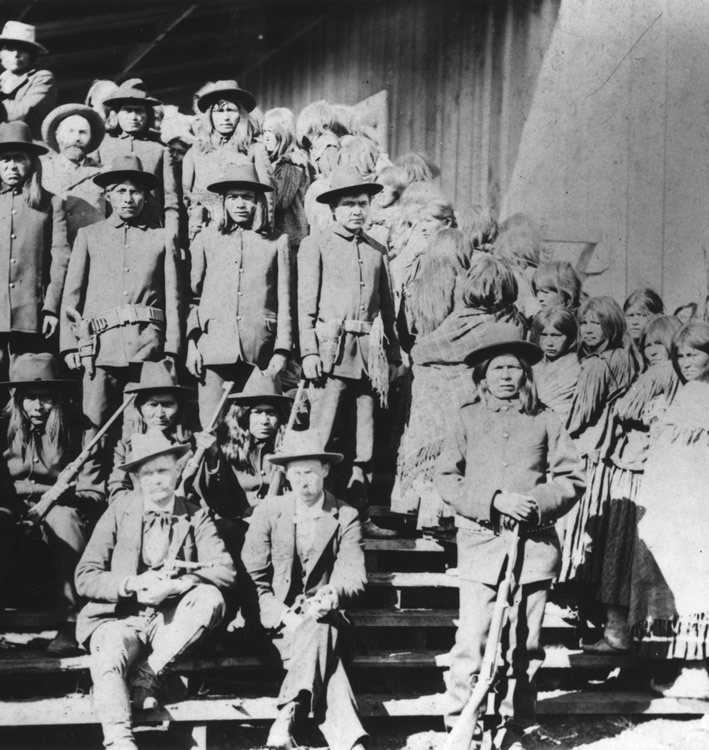
Established in the late 19th century, the fort later became part of a larger story shaped by the White Mountain Apache people, whose connection to this land stretches back generations. Today, the park preserves historic buildings while centering Apache voices and perspectives, sharing stories of survival, self-determination and continued presence.
The cool air and high elevation contrast with Arizona’s deserts, reminding visitors of the diversity found across Indigenous homelands. Cultural interpretation highlights Apache values, traditions and stewardship of the land, emphasizing that Fort Apache is not simply a historic site but a place where past and present meet.
A visit to Fort Apache Historic Park invites deeper understanding of the White Mountain Apache Tribe and the enduring relationship between people, place and history in eastern Arizona.
EXHIBITS
Ndee Bike’/Footprints of the Apache
Opened in May 2004 with the support of a National Endowment for the Humanities Implementation Grant, this long-term exhibition explores Apache heritage from our Creation to our Lives Today. Visitors experience the multimedia Creation Story inside a traditionally constructed gowa (Apache home) in the center of the museum. Rare Apache objects—including loans from Arizona State Museum , the Heard Museum , and Sharlot Hall Museum —along with historic photographs and hands-on opportunities introduce our ancestors’ lives. Contemporary photographs, interactive computer and audio stations, and artwork provide understanding of what Apache people’s experiences are like in the twenty-first century.
The Fort Apache Legacy
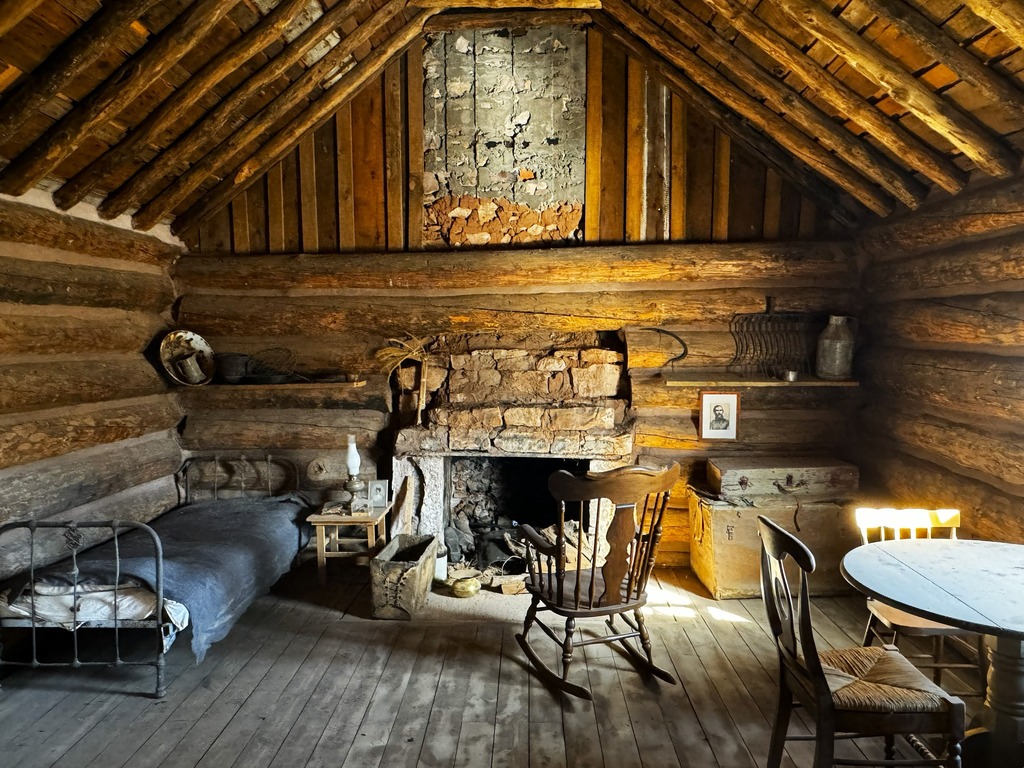
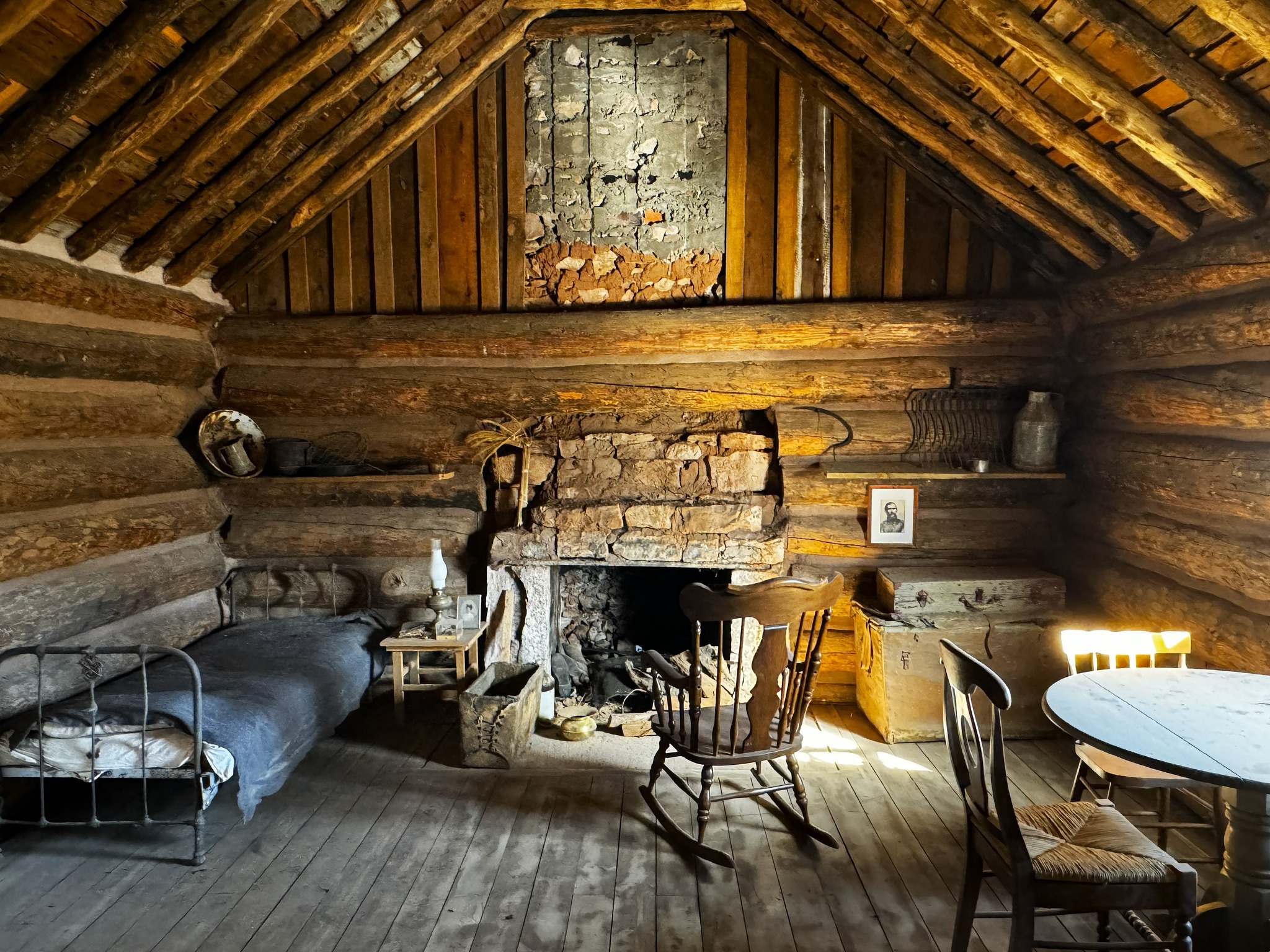
Housed in the oldest structure at Fort Apache , an 1871 log cabin traditionally known as General Crook’s Cabin, The Fort Apache Legacy provides visitors with an overview of the history of the fort and its impact on the Apache people.
Fort Apache Historic District Walking Tour
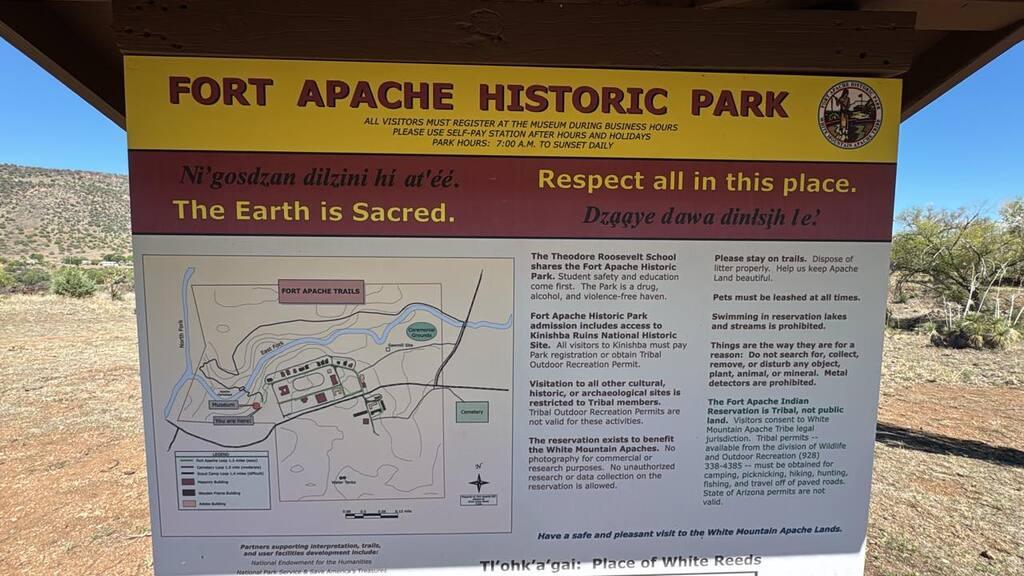
Twenty seven historic buildings make up the core of the 288 acre National Register Historic District. Following maps available at the Museum, visitors can explore the district at their own pace. Interpretive signs located throughout the district explain the construction and use of the historic buildings and spaces, and allow visitors to immerse themselves in the history of what many consider the best surviving example of an Apache Wars-era military post.
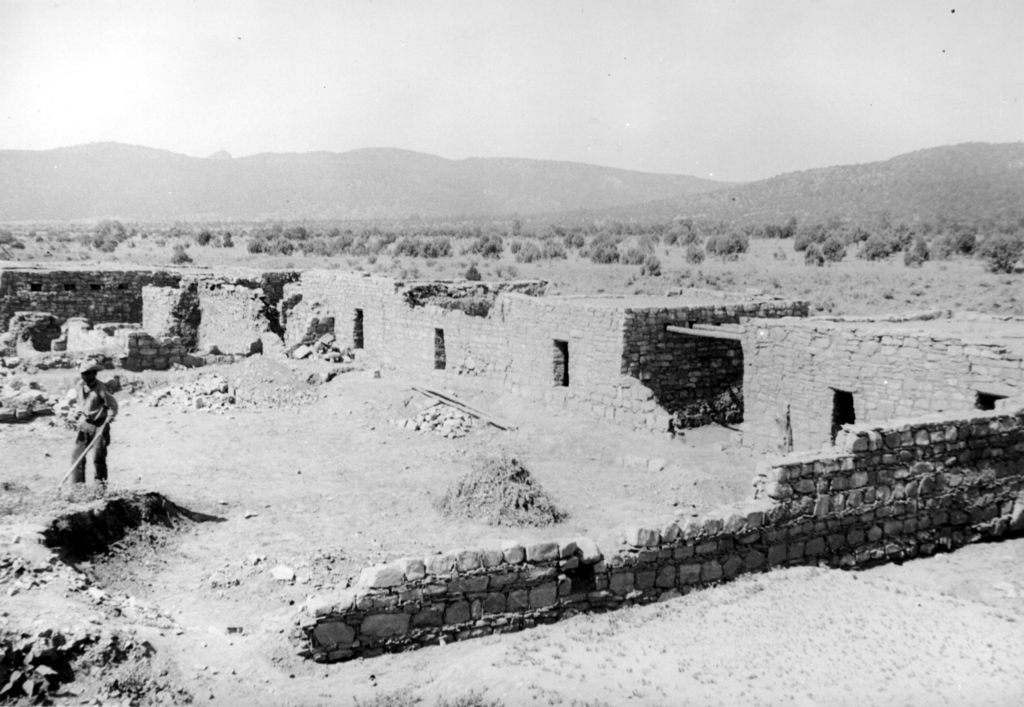
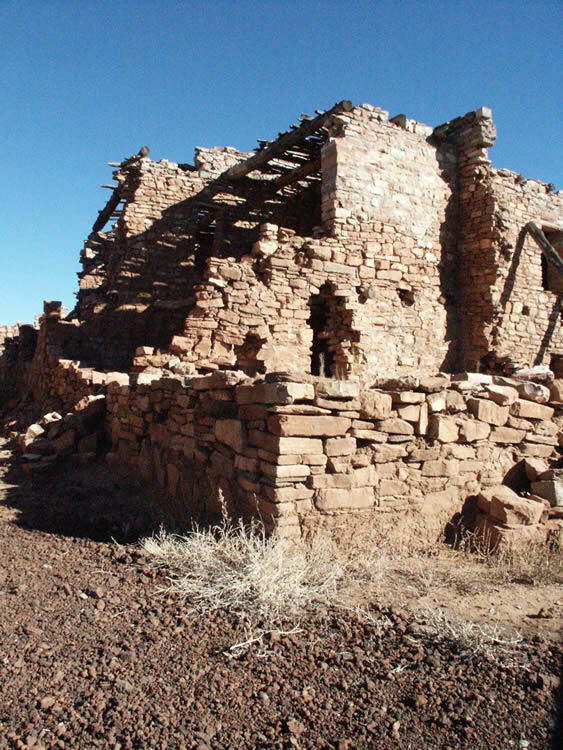
Kinishba Ruins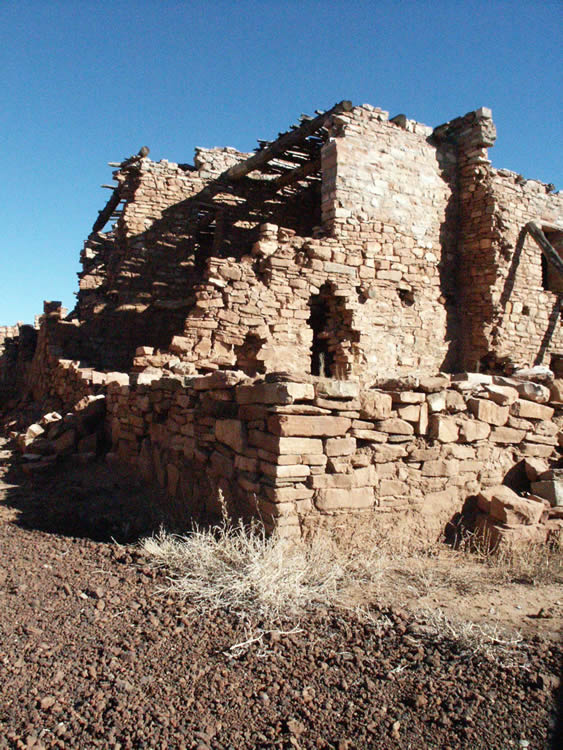 Located approximately four miles west of Fort Apache , the Kinishba Ruins National Historic Landmark is a satellite resource of the Fort Apache Historic Park . Occupied by Zuni and Hopi ancestors until about 1400AD, the village was excavated and partly reconstructed in the 1930s by archaeologist Byron Cummings. In 1993 the site was placed on Congress’s “Priority 1” list of threatened National Historic Landmarks.
HOURS OF OPERATION
The Fort Apache Historic Park, including Kinishba Ruins, is open daily from 7:00am to sunset.
Nohwike’ Bágowa is open Monday-Saturday 8am to 5pm during the summer, and Monday-Friday 8am to 5pm during the winter.
Apache tour guides are available with advance reservation, and special accommodations and activities can be arranged for tour groups.
ADMISSION
Adults - $10.00 per adult,
Seniors (65+) - $7.00
Youth (6 to 18) - $7.00
Children under 6 - Free
WMAT members - Free