
Beyond the Mother Road: Leveraging the Route 66 Centennial to Showcase Tribal Tourism and Gaming
As the United States approaches the 2026 Centennial of Route 66, the world is preparing to celebrate the Mother Road. For many, this evokes images of neon signs, vintage Corvettes, and mid-century diners. But for the Indigenous peoples who have called these lands home since time immemorial, Route 66 represents a much deeper narrative — one of ancient trade routes, forced displacement, cultural resilience, and, today, economic sovereignty.
For tribal gaming and hospitality operators, the Centennial is not just a milestone; it is a monumental opportunity to reclaim the narrative of the road and drive significant tourism traffic to tribal destinations.
The Indigenous Roots of the Mother Road
Long before the first stretch of asphalt was laid in 1926, the corridor we now call Route 66 followed trails established by Indigenous nations for trade, seasonal migration, and communication. From the Osage Trace in Missouri to the ancestral paths of the Pueblo peoples in New Mexico and the Mojave in California, the road was built upon a foundation of Indigenous geography.
When the highway was formalized, it brought a new wave of travelers through the doorsteps of more than 25 tribal nations. While early 20th-century tourism often utilized “Indian imagery” in ways that were stereotypical or exploitative, the 2026 Centennial allows tribes to flip the script. As outlined in the American Indigenous Tourism Association’s (formerly AIANTA) 2016 guide, American Indians and Route 66, the highway is a vein that connects travelers to the living cultures of the people who preceded the road and survived its expansion.
The Economic Engine: Gaming and Hospitality Along the Route
For the tribal gaming industry, Route 66 is a high-traffic artery. Travelers navigating the 2,448 miles from Chicago to Santa Monica are increasingly seeking “authentic” experiences — moving away from cookie-cutter pit stops in favor of destinations that offer cultural depth, world-class hospitality, and unique entertainment.
Along the route, tribal gaming enterprises serve as modern-day “trading posts,” providing essential infrastructure for Route 66 travelers. The American Indians and Route 66 guide highlights numerous nations that have successfully integrated the highway’s legacy with modern economic development:
Oklahoma: The road passes through the jurisdictions of the Quapaw, Wyandotte, Cherokee, Muscogee, and Choctaw Nations, among others. Destinations like the Downstream Casino Resort (Quapaw Nation) and the Hard Rock Hotel & Casino Tulsa (Cherokee Nation) serve as anchors for travelers entering the state, offering luxury accommodations that fund vital tribal social programs.
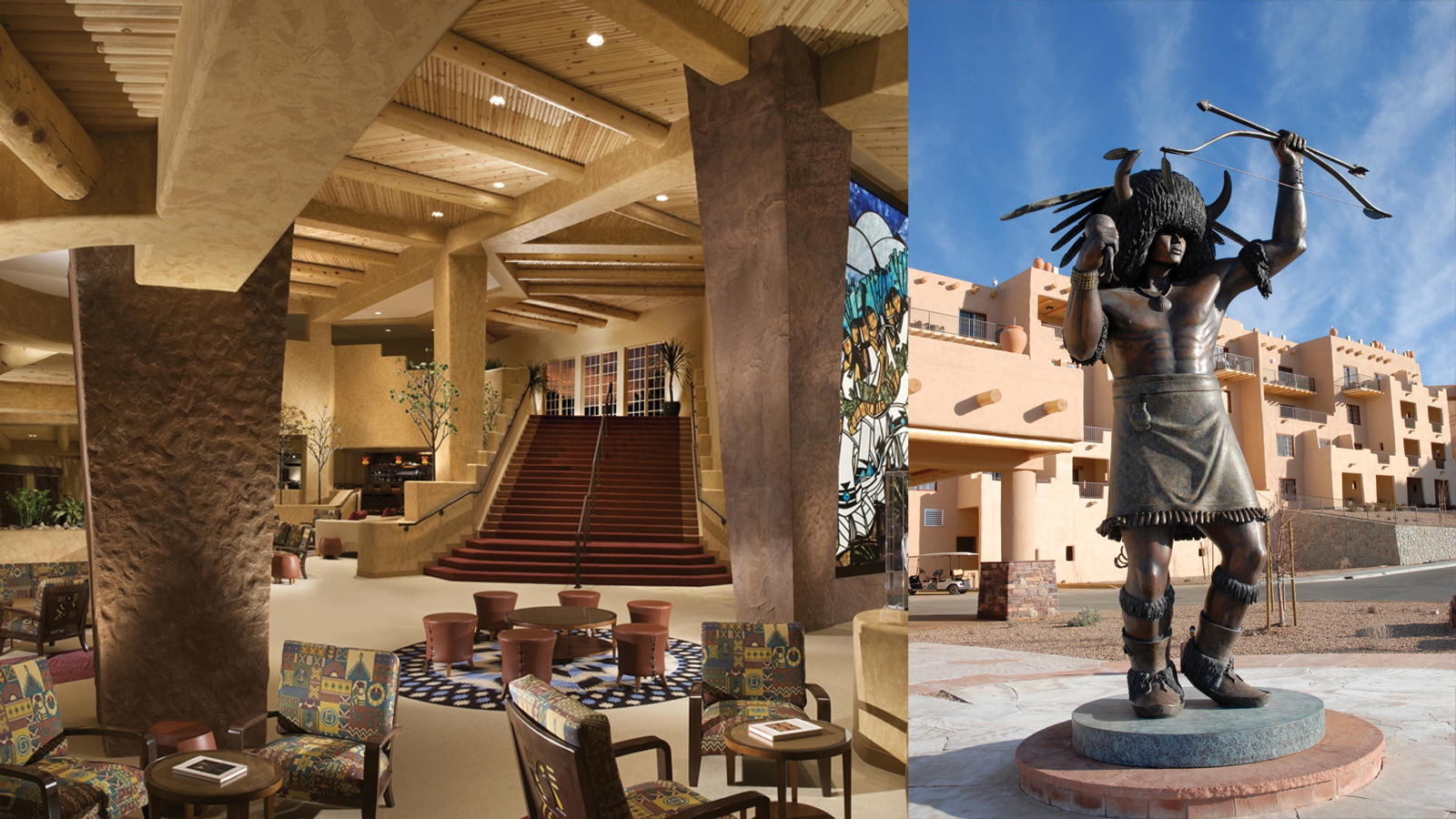
New Mexico: The highway bisects the heart of Pueblo country. The Sandia Resort & Casino (Pueblo of Sandia) and Isleta Resort & Casino (Pueblo of Isleta) offer breathtaking views of the Rio Grande Valley, serving as gateways to the ancient Acoma Sky City — the oldest continuously inhabited community in North America.
Arizona: As the road winds through the high desert, the Twin Arrows Navajo Casino Resort offers a glimpse of the vastness of the Navajo Nation, blending contemporary gaming with Navajo art and architecture that tell the story of the Diné.
Thought Leadership: Preparing for 2026
The 2026 Centennial is expected to draw millions of domestic and international tourists. For tribal operators, “business as usual” will not be enough to capture this market. We must position our properties as more than just gaming floors; we must position them as cultural hubs.
To lead in this space, here are some tips for tribal hospitality leaders along Route 66 to consider:
Cultural interpretive programming: Use the 2016 American Indians and Route 66 guide as a blueprint to audit your property’s connection to the road. Can a guest at your hotel learn about the ancestral lands they are standing on? Partner with tribal cultural departments to integrate authentic storytelling into the guest experience.
Collaborative marketing: Route 66 travelers are collectors of experiences. Work with neighboring tribes to create a “Tribal Route 66 Trail” that encourages visitors to stamp a digital passport at tribal properties across state lines.
Infrastructure and signage: Visibility is key. Many travelers remain unaware when they are entering tribal lands. Investing in clear, culturally branded signage and EV charging stations will ensure that the Mother Road traveler stops at your property rather than bypasses it for a corporate chain.
Cultural protocols to know before you visit guide for travelers: The American Indigenous Tourism Association is dedicated to educating travelers on best practices and protocols for respectfully visiting Indigenous communities in the U.S. Consider promoting or providing the 15 Cultural Protocols to Know Before You Visit Native Homelands in the U.S. guide to travelers as you plan your Route 66 promotions so that travelers are educated before arrival.
A Centennial of Sovereignty
At the American Indigenous Tourism Association, our mission has always been to define, introduce, grow, and sustain American Indigenous tourism that honors traditions and values. As a non-profit organization, we are the only organization of its kind dedicated to advancing cultural tourism in Indigenous communities across the United States. As we look toward 2026, we see the Route 66 Centennial as a celebration of survival.
The road once brought many challenges to Indian Country, but today, through the success of tribal gaming and the vision of our hospitality leaders, we are the ones in the driver’s seat. By highlighting the Indigenous roots of Route 66, we aren’t just looking back at the last 100 years — we are inviting the world to witness the next century of tribal prosperity.
This article was written by AIT and published in the 2026 Spring issue of the Tribal Gaming and Hospitality magazine.
Powered by Froala Editor
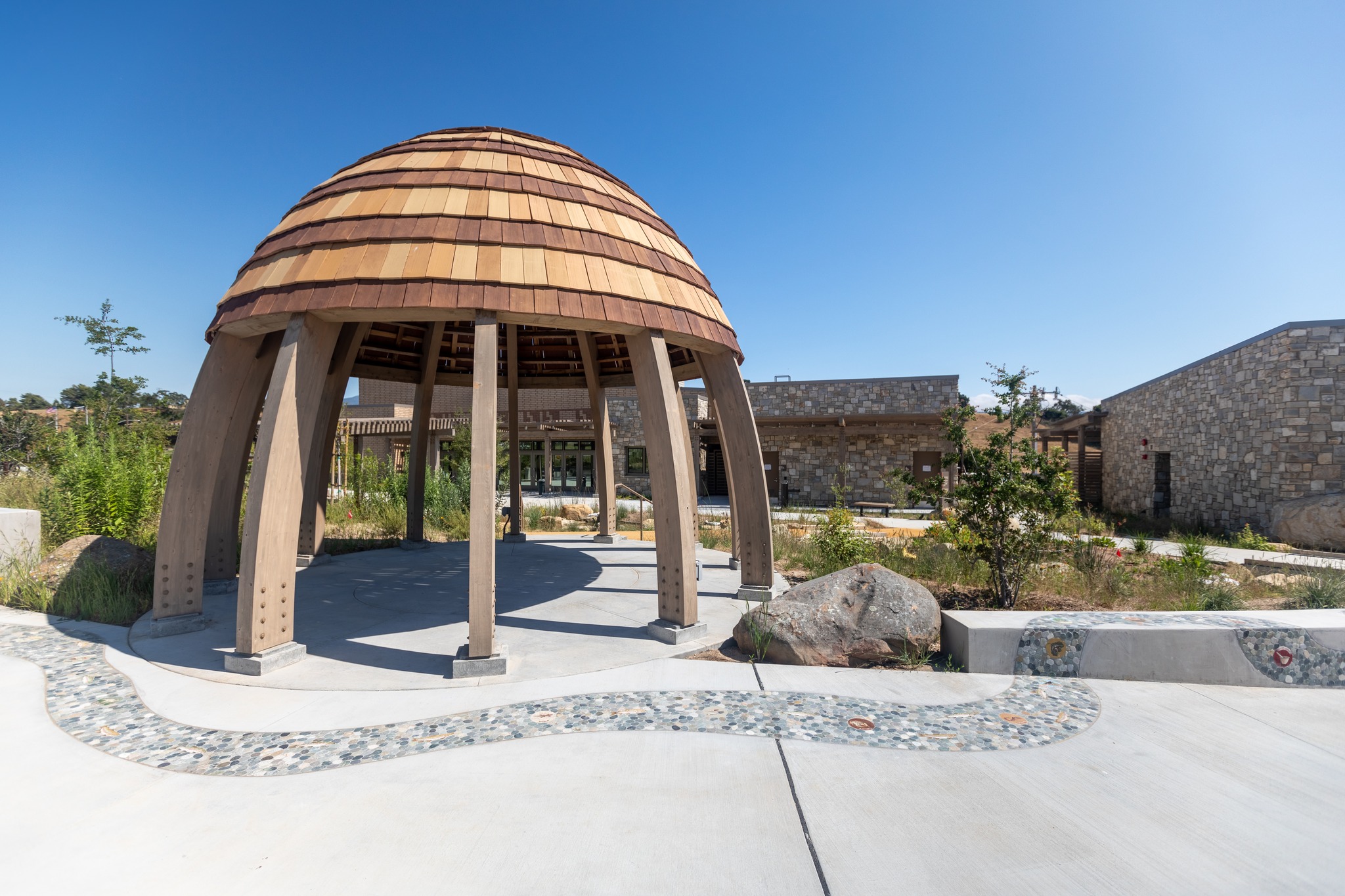
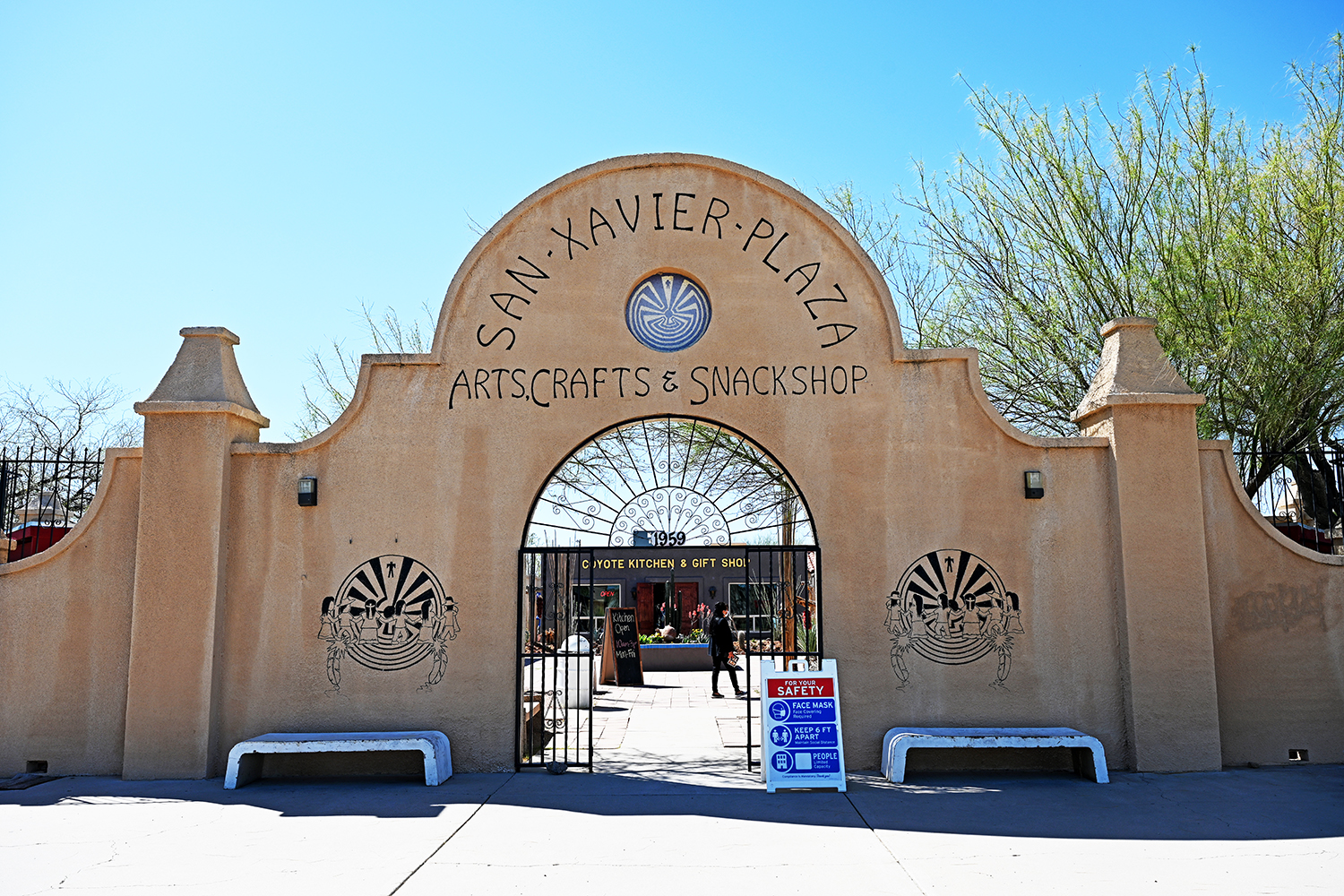
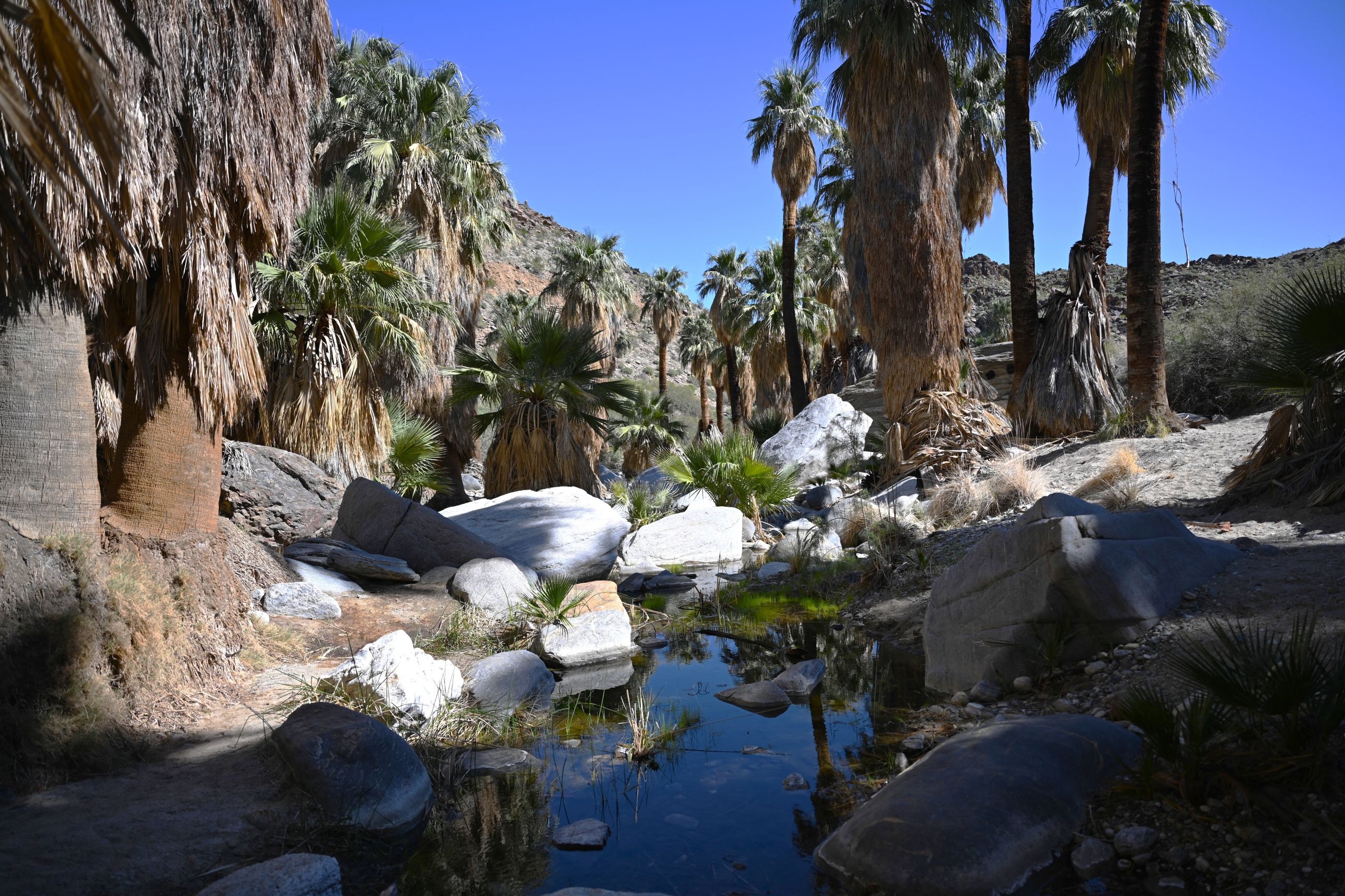
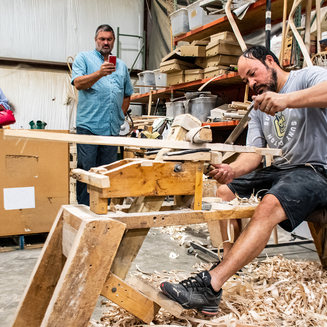 visitors as part of the tribe’s cultural tourism plan. While visitors already know the Akwesasne Mohawk Casino Resort and the annual international powwow, the tribe believes cultural tourism can be further showcased through its citizens’ artwork and a new tribal heritage complex.
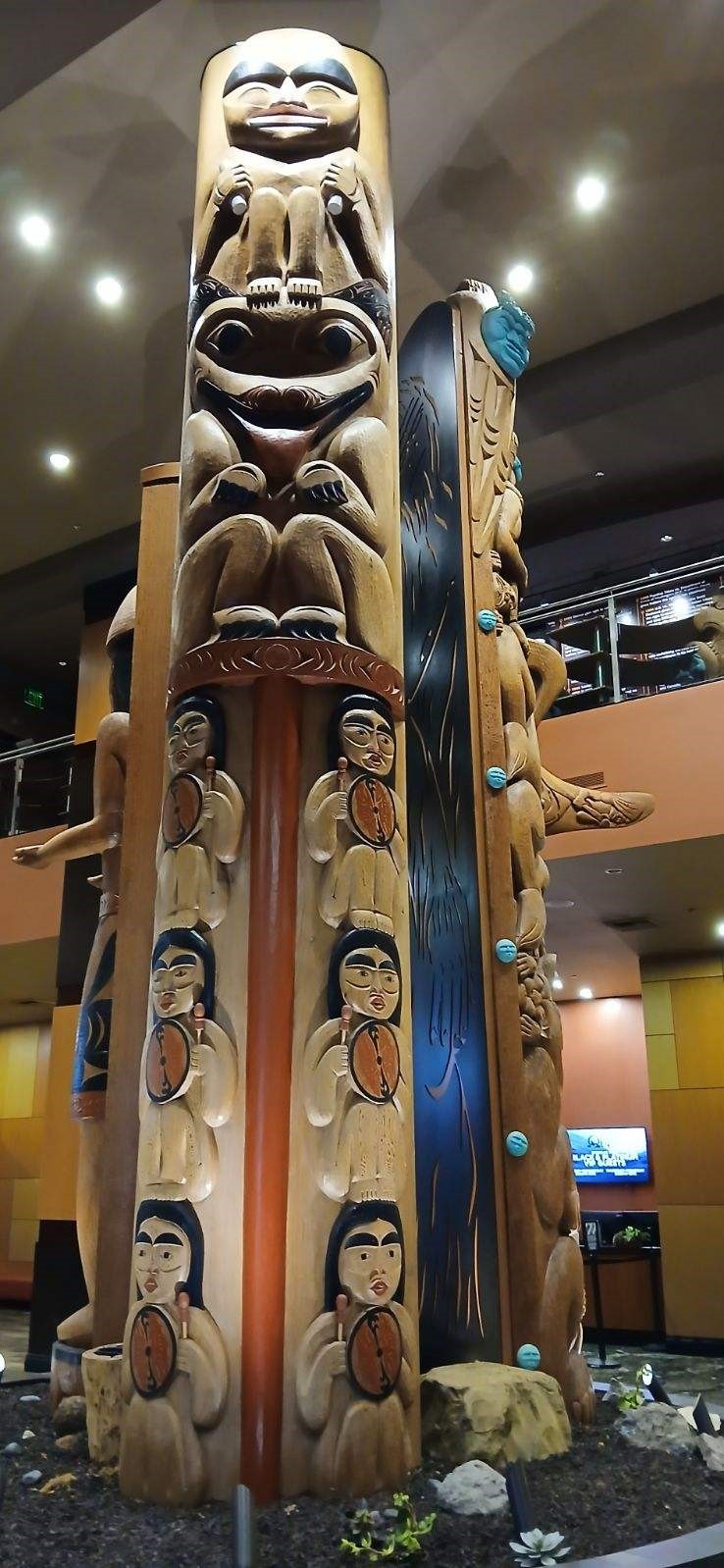 Tulalip Resort Casino in Washington is a shining example of how a tribe can seamlessly integrate tribal art into its resort. This luxury destination is also a living gallery, honoring and preserving the rich cultural heritage of the art from its members and neighboring tribes. From the moment guests arrive, they are welcomed by a striking waterfall and a series of landscaped ponds featuring monumental sculptures — an orca whale breaching from the water and a bronze Tulalip spear fisherman—showing their connections to land, sea and ancestral traditions.
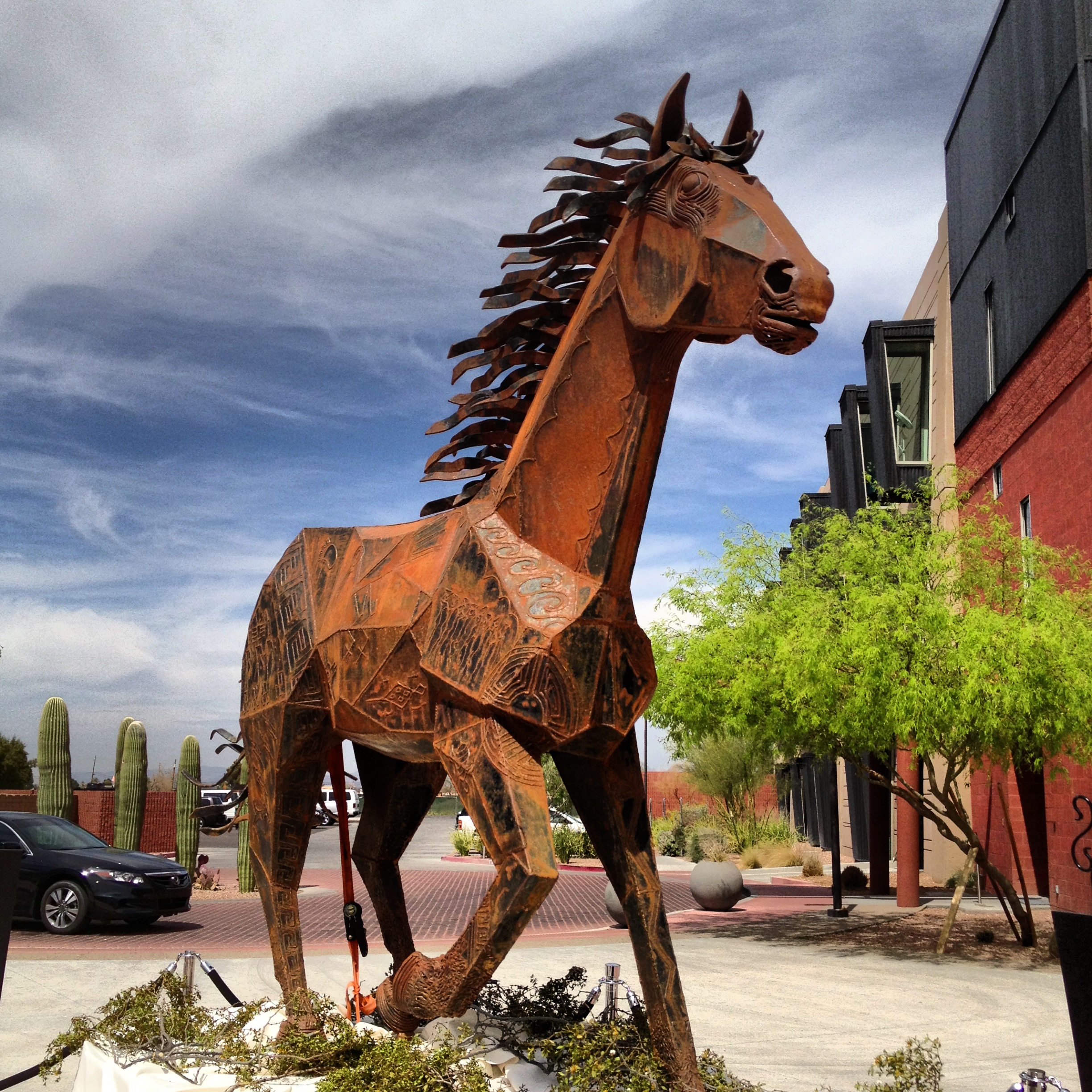 The four diamond Talking Stick Resort, owned and operated by the Salt River Pima-Maricopa Indian Community, is an iconic Scottsdale, AZ getaway. The luxury high-rise casino is so popular with spring break and spring training travelers, it might be easy to miss the resort’s cultural elements at first glance. But Talking Stick Resort is one part of the 12-stop, self-guided Salt River Art Trail. Throughout the resort are priceless pieces of Native American art, with much of it concentrated in the on-site Cultural Center, located in the resort lobby. The resort collection is recognized as the largest Native American art collection outside of a museum. The Salt River Art Trail also includes art exploration at 11 other sites, including the Salt River Fields at Talking Stick, Roadhouse Cinemas and other area hotels.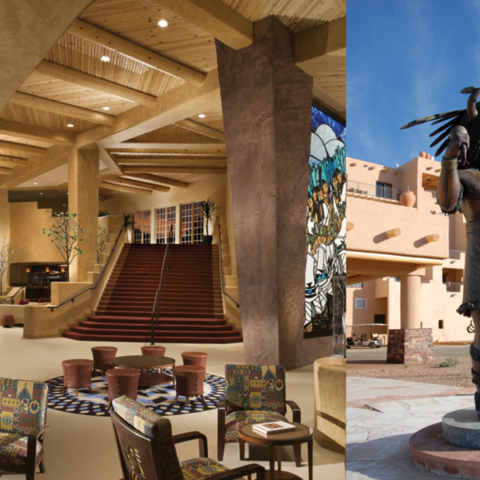

 the menu is a celebration of the Alaskan wilderness. The reinvention of traditional Alaskan dishes with a modern twist is a pleasant surprise, while the chefs highlight the purity and richness of the ingredients.

 g is done sustainably and responsibly.


 ies. Visitors can get a more accurate and respectful depiction of the complexities of Native identities and narratives, even in a fictional story. A good book written by a Native voice informs thoughtful tourists and reminds them that Native storytelling is still a vibrant part of living culture.

 We Are Still Here! Native American Truths Everyone Should Know by Traci Sorell (Cherokee Nation) published by Charlesbridge Press, 2021. The title says it all for this award-winning book.
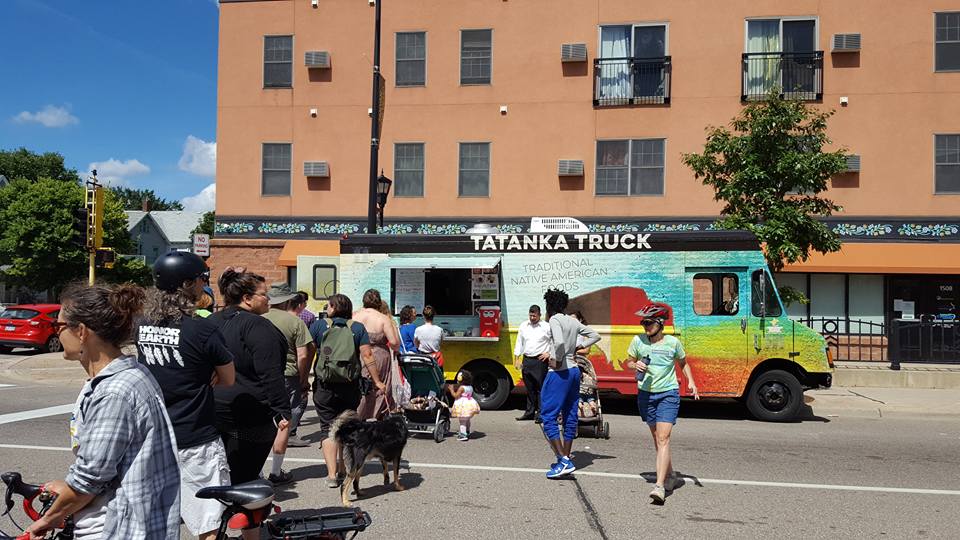

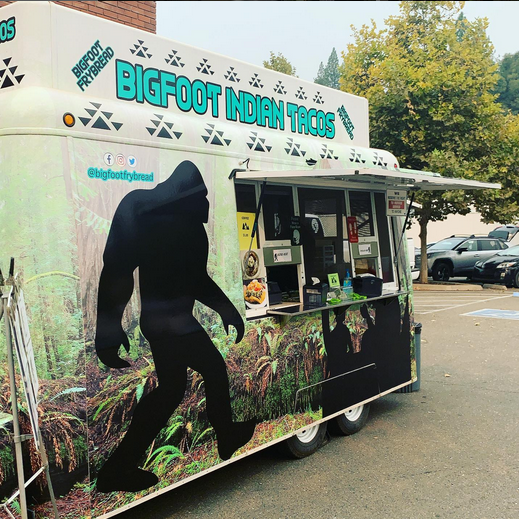
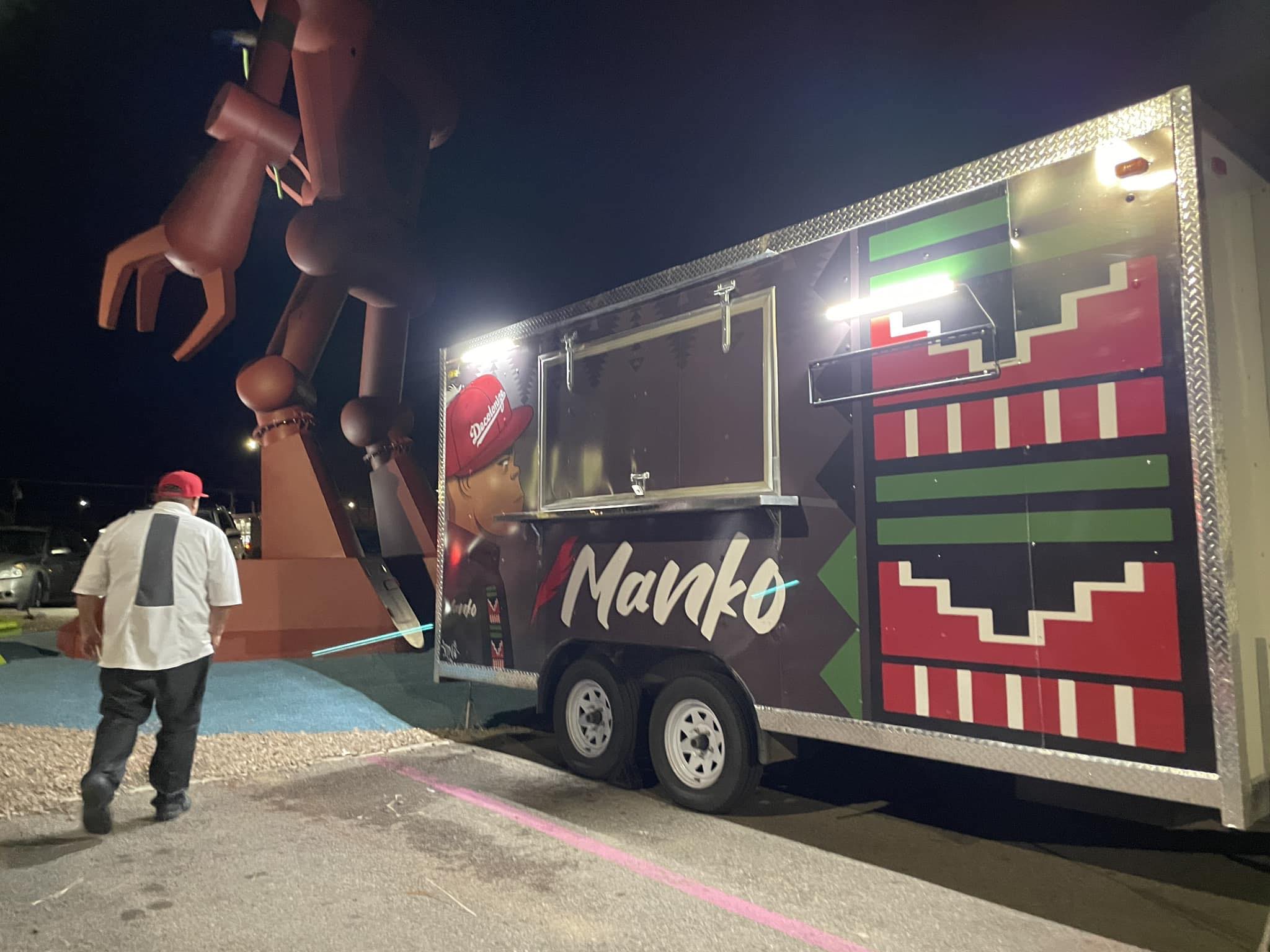
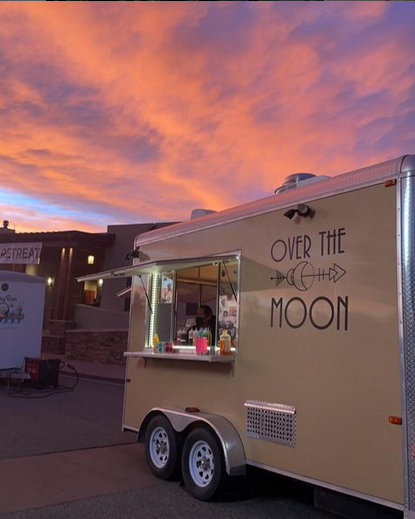
 -Fry-Bread Food Truck. There are so many variations and flavors and new choices added too. Find them on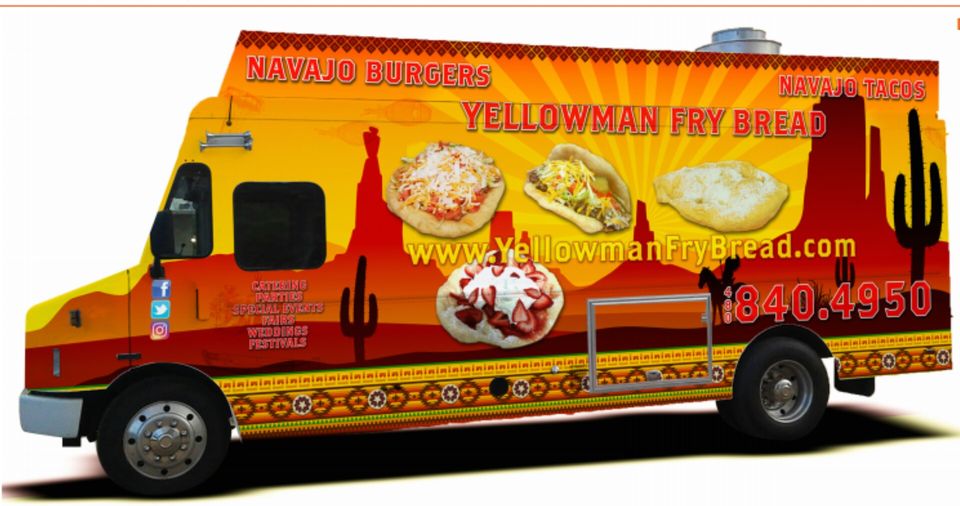




 Grandma Genevieve, who we called Grandma Jennie, had the best cheeks in town. Her high cheekbones gave way to the soft, smooth flesh of her cheeks. As she smiled (which was always), her cheeks would raise her glasses up, making her countenance all the happier. My little sister wrote a poem about her cheeks one time, referring to them as apples. Many of her grandchildren inherited those signature squishy cheeks. Thank you Grandma. That’s not the only thing she passed down though. She left us a legacy of love that can best be displayed by the sharing of meals and traditions that will live on as long as we, her children and grandchildren, continue to carry them.
 A Tlingit woman, coming from a matrilineal society, my Grandma was matriarch to her large family. With nine children and dozens of grandchildren and great grandchildren, she lovingly tended to anyone who made the time to visit her. In my eyes, Grandma possessed the art of turning nothing into something. She could multiply the little she had by sharing. On any given Saturday that meant dipping into her crock of sourdough starter to make her famous, plate-sized sourdough pancakes and hosting one grandkid at a time at her tiny table. News traveled fast at the mention of her coveted potato donuts and family appeared out of the woodworks to her door to enjoy them hot and fresh. The love she poured into feeding her family was just one extension of Grandma’s sweet and tender heart.
 words were taken from her. Her customs, ceremonies, and rituals that she knew, all taken from her. She was left with nothing.
 We encourage our artists, galleries, museums, and food artists to keep making what they make. They are working on great authentic Native-made gifts and products you can explore effortlessly. At AIANTA we love sharing talented artists and their work with you.