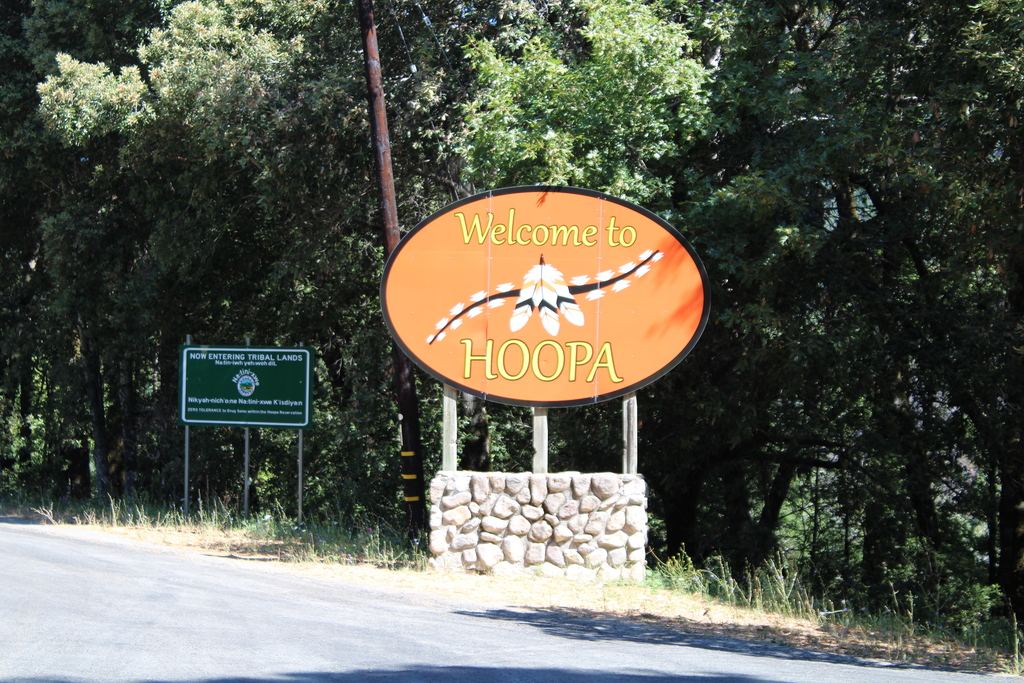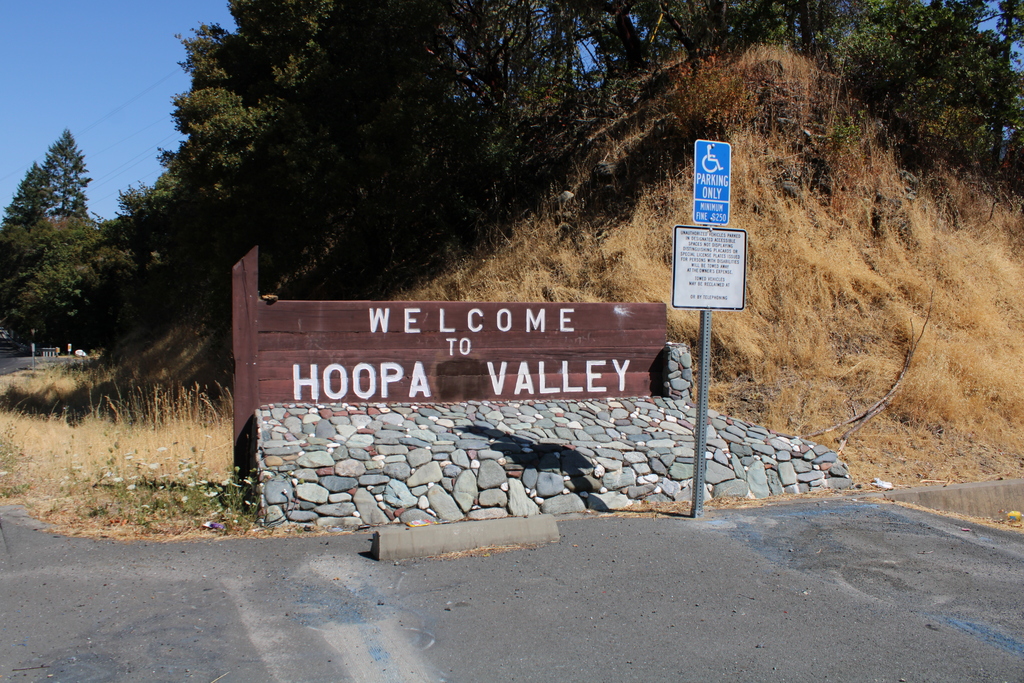
 The Hoopa Valley Tribe is dedicated to protecting and promoting the interests, rights, and well-being of the Hoopa Valley people. They strive to preserve their sovereignty, culture, traditions, and natural resources while fostering sustainable growth, educational opportunities and economic development for future generations.
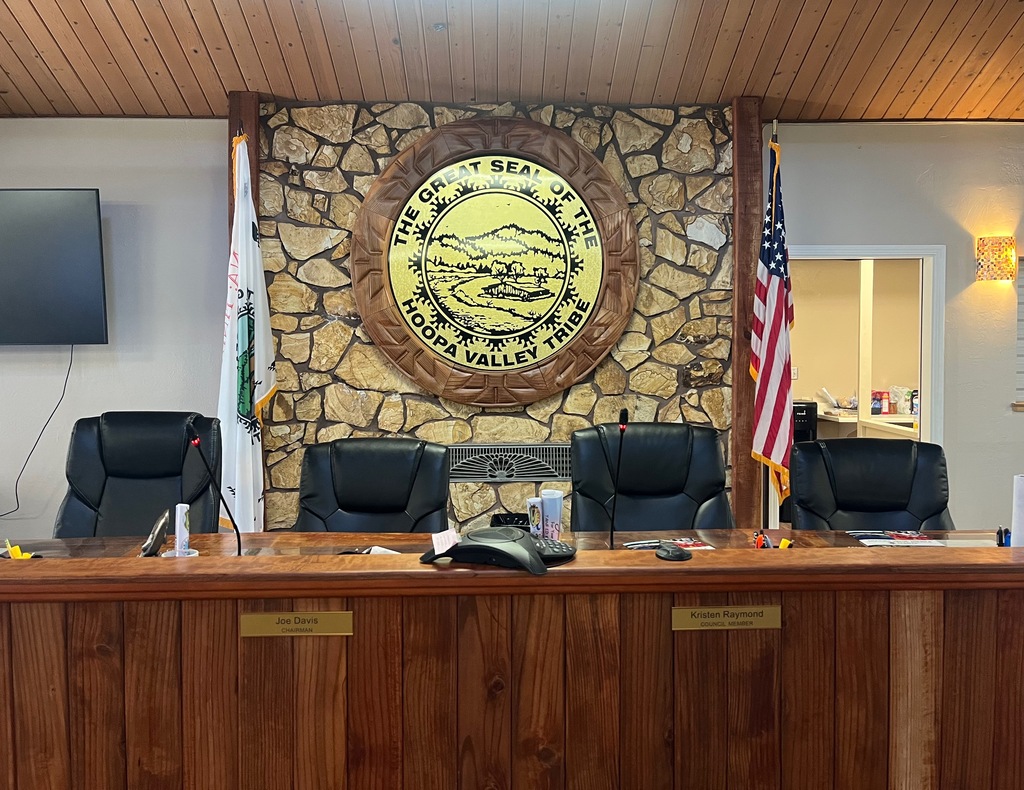
The Hoopa Tribal Administration Department is dedicated to serving the Hoopa Valley Reservation with approximately 2,000 enrolled members. Guided by the Hoopa Tribal Chairman and Tribal Council, this department oversees and works with over 55 tribal departments to support the needs and interests of the Hoopa Tribal Members.
TRIBAL COUNCIL
The tribe is governed by a Tribal Council consisting of a Chairperson and representatives from seven districts, all elected by tribal members for staggered two-year terms.
LANGUAGE
The Hoopa language is part of the Na-Dene Language Family. The tribe is actively working on language preservation, including implementing it in their Head Start programs.
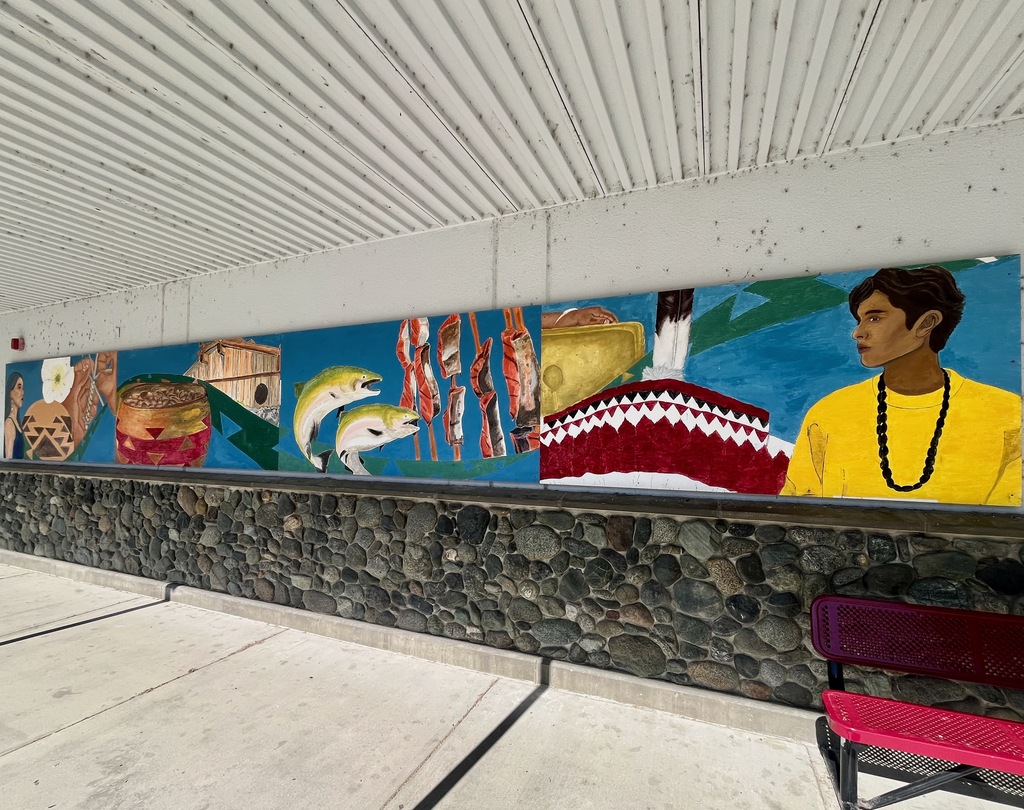
Unlike many other California tribes, the HOOPA were never forced to move off their original lands. They are renowned for their intricate basketry (using a twining technique), elk horn carvings, and traditional dugout redwood canoes.
The Hoopa perform three primary dances during the late summer and fall (August–September) to bring the world back into balance
LOCATION
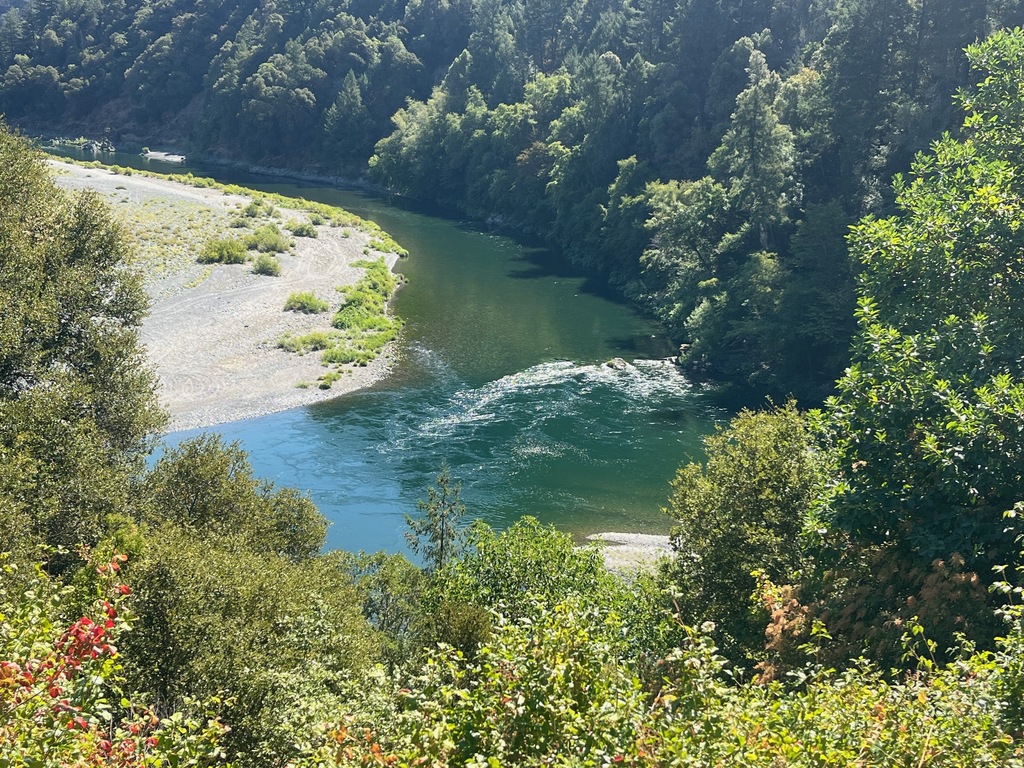
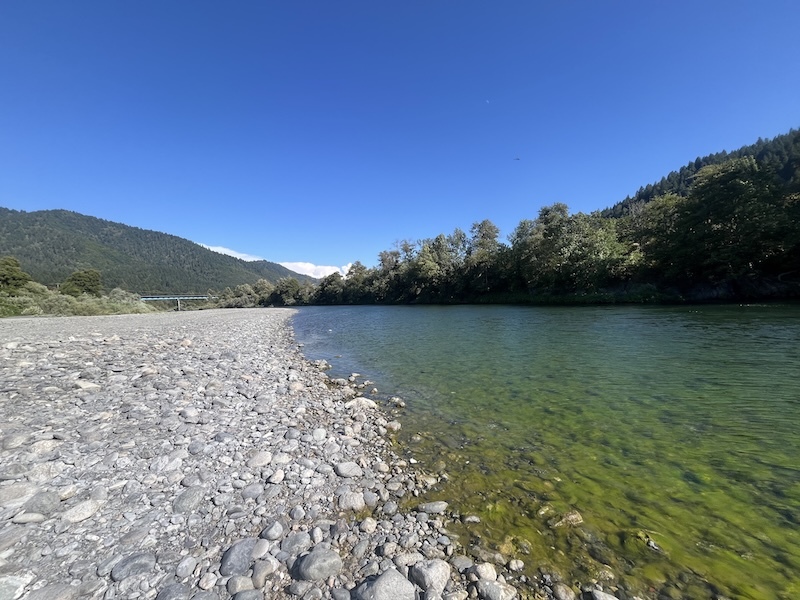
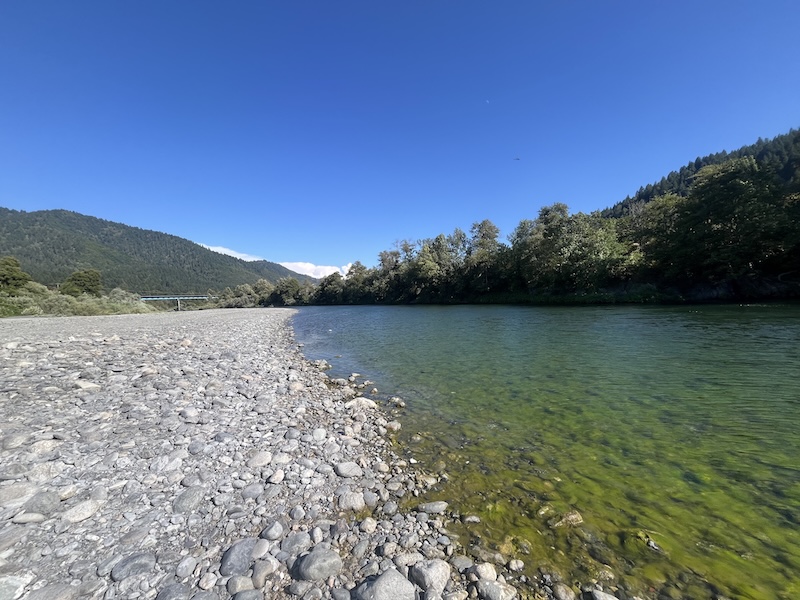 The Hoopa Valley Tribe resides along the Trinity River in Northern California, deeply connected to the land and river. They have the largest reservation, spanning approximately 141 square miles (92,000 acres) in the state of California in Humboldt County.
Some of the services that the Administrative Department provides include: DMV Exemption forms, Tax Exemption forms, Burial Assistance, Contributions to some local organizations, Council Meeting Action Sheets/Minutes upon request, and Information for Department Services.
NATURAL RESOURCES
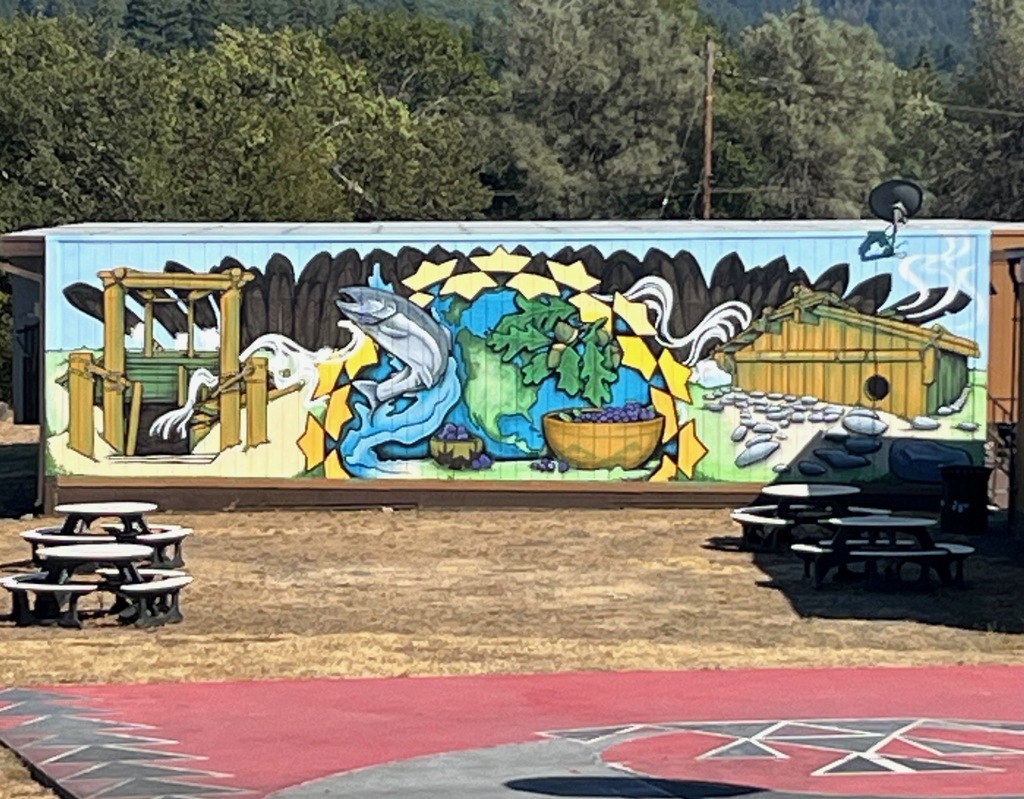
The Fisheries Department manages the water and fish resources of the Trinity River, which runs through the valley, focusing on species like Chinook salmon and Steelhead.